They work longer hours. They grind. They sacrifice sleep, health, and relationships.
And yet, something still feels off.
That’s because success, when defined poorly, becomes a trap. It promises fulfillment but often delivers exhaustion. It rewards achievement while quietly draining what matters most.
Men aren’t failing because they want too little. They’re failing because they’re chasing the wrong version of success.
True success doesn’t just build income—it builds stability, character, and capacity to serve others well.
When Success Becomes Selfish
There’s a version of success that looks impressive but leaves damage behind.
It shows up as:
Financial gain paired with relational loss
Status without peace
Achievement without meaning
This kind of success centers the self. It asks, “What can I get?” instead of, “What can I build that lasts?”
Men who chase selfish success often wake up years later surrounded by accomplishments—but disconnected from the people they worked for in the first place.
If success costs your integrity, your family, or your faith—it’s too expensive.
Redefining Success for Men
Healthy success is built on alignment.
Success should support:
Your values
Your responsibilities
The people who depend on you
True success looks like:
Providing without abandoning presence
Achieving without compromising character
Growing without neglecting what matters
Success isn’t measured only by what a man earns—but by what his life produces.
They feel unheard at work. Unappreciated at home. Disrespected in culture.
And the natural reaction is to demand respect—to raise their voice, assert authority, or withdraw altogether. But respect doesn’t respond to force. It responds to consistency.
Respect is not something a man asks for. It’s something he becomes.
Men who chase respect rarely receive it. Men who live with integrity quietly collect it over time.
The Problem With Demanding Respect
Demanding respect exposes insecurity.
When a man insists on being respected without earning it, what he’s really saying is, “Please validate me.” And validation never builds authority—it weakens it.
True respect is given when:
A man keeps his word
A man stays steady under pressure
A man does what’s right when it costs him
Respect follows character the way a shadow follows a body. You don’t chase it. You walk upright and let it come.
Respect Is Built Where No One Is Watching
The foundation of respect is private discipline.
No audience. No applause. No shortcuts.
It’s built in:
How you speak when frustrated
How you work when no one is checking
How you correct without humiliating
How you handle power when you have it
Men are respected not because they are loud—but because they are reliable.
Private habits create public credibility.
Why Men Confuse Respect With Fear
Fear looks like respect—but it isn’t.
Fear obeys temporarily. Respect endures.
Fear produces compliance. Respect produces loyalty.
A man who relies on intimidation may control a room, but he won’t influence hearts. The moment pressure is gone, so is his authority.
Respect grows when people know:
You’re fair
You’re consistent
You won’t compromise your standards
Men who are respected don’t need to announce it. Others feel it.
Five Practical Ways Men Earn Respect
1. Keep Your Word
If you say it, do it. Reliability builds trust faster than talent ever will.
2. Control Your Emotions
Emotional discipline signals strength. A calm man in chaos becomes a pillar others lean on.
3. Accept Correction
Men who can be corrected grow. Men who resist it stagnate. Humility earns long-term respect.
4. Do the Hard Right Thing
Integrity costs something. Men willing to pay that cost gain credibility.
5. Lead Yourself First
A man who can’t govern himself cannot lead others. Self-leadership commands respect without words.
Respect in the Home Comes First
A man’s first proving ground is his home.
Children learn respect not from fear, but from watching consistency. A wife feels respect when stability replaces unpredictability.
Respect at home is built through:
Presence
Patience
Predictability
Protection
If a man is respected nowhere else but in his home, he’s already ahead of most.
Why Respect Still Matters
Respect stabilizes relationships. Respect strengthens leadership. Respect creates order where chaos would thrive.
The world doesn’t need louder men. It needs steadier ones.
Men who live with integrity raise the standard for everyone around them—without ever demanding it.
The Challenge: Live in a Way That Makes Respect Inevitable
Here’s the challenge:
Stop asking why you aren’t respected. Start asking whether your life reflects discipline, consistency, and integrity.
Respect isn’t owed. It’s earned daily.
Show up early. Speak truthfully. Stay calm. Do what you say. Carry responsibility without complaint.
Live that way long enough—and respect will find you.
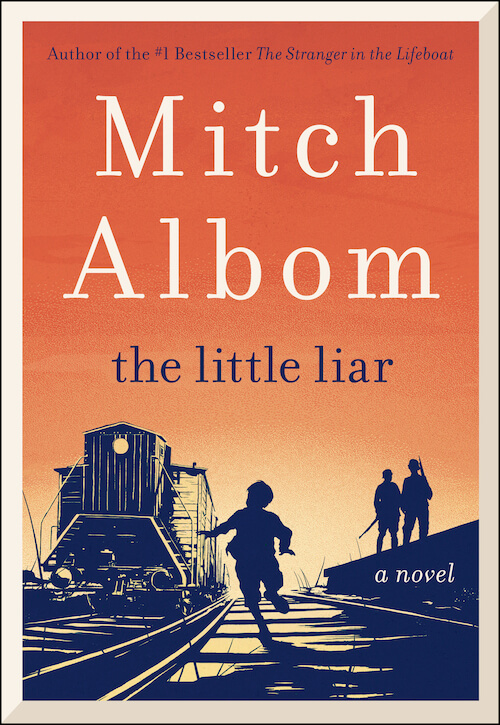
Mitch Albom’s “The Little Liar” is a masterfully crafted tale that stands out not just for its historical backdrop but for its unique narrative voice and the intricate lives of its four main characters. Narrated by Truth itself, a novel and thought-provoking perspective, this story delves into the heart-wrenching realities of the Holocaust and the moral dilemmas faced by those trying to survive in such harrowing times.
The central character, Nico Krispis, is a poignant figure, a young boy whose commitment to honesty is turned upside down by the brutal invasion of his Greek hometown by the Nazis. His journey from a beacon of truth to a reluctant fabricator of lies is a compelling exploration of the human spirit under duress. The novel poignantly illustrates how extreme circumstances can force even the most honest among us to reconsider our values and actions.
The interwoven lives of the other three characters – Nico’s brother Sebastian, his schoolmate Fanni, and a German officer – add layers of complexity to the narrative. Each character brings a unique perspective, highlighting the diverse ways individuals cope with and are affected by the atrocities of war. Sebastian and Fanni’s experiences, in particular, enrich the story, providing different angles on love, loyalty, and the corrosive effects of deceit.
Albom’s choice to have Truth itself narrate the story is both innovative and revealing. This narrative device allows for a deep exploration of the concept of truth – not just as a moral principle but as a survival tool and a means of redemption. It brings into focus the scriptural guidance against bearing false witness, challenging the reader to contemplate the sometimes-blurred line between truth and necessity.
What makes “The Little Liar” a standout work is Albom’s ability to weave these complex themes into a narrative that is both engaging and emotional. The novel doesn’t shy away from the harsh realities of the Holocaust, making it a difficult yet important read. It serves as a reminder of a dark chapter in human history, while also offering a message of hope and the enduring power of the human spirit.
In summary, “The Little Liar” is a remarkable piece of literature that offers a fresh perspective on the well-trodden path of World War II fiction. It’s a testament to Albom’s skill as a storyteller and his ability to tackle profound moral questions in an accessible and deeply moving way. This book is indeed a five-star read, offering valuable insights into the complexities of truth, deceit, and redemption.
In the context of masculinity, “The Little Liar” goes beyond a mere historical narrative to confront the essence of integrity and personal growth. Nico Krispis’s transformation under the shadow of war presents a profound examination of integrity—not as an unwavering pillar, but as a principle challenged and reshaped by life’s trials. For men, Nico’s journey from a paragon of honesty to a strategic liar in the face of existential threats mirrors the complex path toward understanding and redefining what it means to be virtuous. It underscores the idea that integrity is not about strict adherence to truth in all circumstances, but rather the ability to discern when to hold onto one’s principles and when to adapt them in the service of a greater good.
Moreover, the novel masterfully captures the theme of growth, especially poignant for men navigating the modern world’s moral complexities. Through Nico and the other characters’ experiences, Albom illustrates that growth often comes from facing difficult choices and learning from them, rather than from steadfastly clinging to black-and-white moral absolutes. The narrative invites men to contemplate how adversity and ethical dilemmas can serve as catalysts for personal development, encouraging a deeper understanding of oneself and one’s values.
“The Little Liar” thus serves as a compelling exploration of the nuanced pathways to integrity and growth for men. Albom’s narrative encourages a reflection on how the trials faced by Nico and his companions resonate with the struggles of every man striving to forge his identity and values in a world often marked by moral ambiguity. This novel, with its rich tapestry of characters and the innovative voice of Truth, provides a valuable lens through which to view our own journeys toward becoming men of integrity and depth.
In weaving these themes into the fabric of a story set against the backdrop of the Holocaust, Albom challenges readers to consider not just the historical importance of the narrative, but its timeless relevance to the quest for authenticity and maturity. “The Little Liar” is not just a testament to the human spirit’s resilience—it’s a mirror reflecting the enduring quest for integrity and growth in the journey of manhood.
Inspired by “How to be a Man” by Dax feat. Darius Rucker
I find myself living in a world that’s teetering on the edge. There’s chaos in every headline—economic downturns, global unrest, and wars brewing on the horizon. But that external noise often drowns out the personal chaos many of us are wrestling with inside our own four walls. I feel this deeply. My role as the sole provider has never been more daunting, particularly as my wife has taken on the full-time job of raising our children. It’s a role I’m grateful she can fill, but it does add to the weight I’m carrying. And like many of you know, my mom’s been fighting cancer. I wouldn’t be anywhere else but here to support her, but the emotional and spiritual toll is real.
You know that feeling when you’re screaming inside but can’t let it out? Like you’re afraid to add your troubles to someone else’s plate? So you internalize it. That weight becomes a silent scream, heavy enough to crush your spirit but silent enough to go unnoticed.
This is when I lean on God. For me, God isn’t a far-off concept; He’s a real, tangible source of strength. When I’m grappling with the fear and uncertainty that life throws my way, my faith provides solace. It’s not just about knowing God is there; it’s about feeling His presence, especially in those moments when everything else feels unstable.
But let’s make something clear: faith isn’t a solitary journey. I believe in the power of community, of brotherhood. While it’s true we men often feel we have to go it alone, the truth is, we’re stronger together. We have to share our struggles, lend a shoulder, and sometimes even be the shoulder to lean on. It’s not just for our benefit, but for our children, too. I want my sons to grow up understanding that their dad could weather the storm because he wasn’t too proud to seek help, both divine and earthly.
I want them to see that their dad relied on a strong community and an even stronger God to get through the trials life invariably throws our way. The road might be rocky, but if we keep our feet steady and our hearts open, we can navigate through anything. We don’t have to be islands, silently suffering while life’s storms rage around us. We can be anchors for each other, rooted in faith and fortified by brotherhood.
Let’s face it – pornography is everywhere these days, and it’s wreaking havoc on minds and lives. It’s not just a casual topic to brush aside; it’s a storm tearing through our society, leaving shattered relationships, broken self-esteem, and twisted perceptions in its wake. Think it doesn’t affect you? Think again. The hard truth is that pornography isn’t just a “personal choice” without consequences. It can enslave the mind, crush the spirit, and undermine the very fabric of our integrity and values. But we’re not here to dance around the issue; we’re here to face it head-on. Ready to dive into the gritty facts and find a way to healing? Buckle up, because we’re taking a no-nonsense look at what pornography really does and how to break free from its grip.
The Effects of Pornography on the Mind
1. Altered Brain Structure
Studies have shown that viewing pornography can lead to changes in the brain, much like substance addiction. It can alter the reward pathways, making them more sensitive to pornographic stimuli and less responsive to other rewards.
2. Impact on Relationships
The unrealistic portrayals in pornography can lead to skewed expectations in relationships. It may foster dissatisfaction, mistrust, and even cause breakdowns in communication.
3. Emotional Disturbances
Research has linked excessive consumption of pornography to anxiety, depression, and reduced self-esteem. It creates a vicious cycle where one turns to pornography for temporary relief, only to face a deeper emotional toll later on.
Pornography Addiction
Like other addictions, pornography addiction traps individuals in a cycle of dependency and despair. Here’s how it works:
1. Escalation
A person might start with softcore material, but over time, they require more explicit content to achieve the same arousal. This escalation can lead to consuming material that goes against one’s values and beliefs.
2. Withdrawal
Attempts to quit can lead to withdrawal symptoms such as irritability, restlessness, and anxiety.
3. Impact on Daily Life
Addiction to pornography can affect work, relationships, and personal growth. It diverts time and energy away from meaningful pursuits and can lead to a loss of control over one’s life.
Finding Healing
Healing from pornography addiction may seem challenging, but with determination and the right support, it is possible. Here’s a path to recovery:
1. Acknowledgment – Accept that there’s a problem and commit to making a change.
2. Seek Professional Help – Therapists specialized in addiction can provide guidance and support tailored to individual needs.
3. Build a Support System – Friends, family, and faith communities can be a strong network to lean on during recovery.
4. Focus on Growth and Values – Concentrate on personal development and the values that resonate most with you. These principles, rooted in faith, integrity, and brotherhood, can serve as a guide towards a purpose-driven life, free from addiction.
Conclusion
Pornography’s grip on the mind is real, but so is the possibility of healing. By understanding the scientific facts, recognizing the signs of addiction, and pursuing a path of recovery guided by growth and values, individuals can reclaim control over their lives. The mission may seem impossible to some, but with determination and support, healing is within reach.
So you call yourself a man. But can you look yourself in the mirror, knowing you’ve stood up for what’s right? This isn’t about grand gestures or heroic acts in the public eye. It’s about the quiet, unassuming choices you make when no one’s watching. It’s about moral courage – a virtue many claim to have, yet few truly understand.
Listen up, fellas. If your guts twist when you witness injustice, if your heart pounds at the sight of unfairness, yet you still do nothing – we need to talk. Let’s strip away the pretense and dive into the hard truth about integrity. It’s time for some tough love. It’s time to stare your conscience in the face and ask yourself: are you part of the problem or the solution? Are you just a spectator or an active player in the arena of life?
DARE TO BE DIFFERENT
The first step to embodying moral courage is daring to be different. It’s about not only knowing what’s right but having the guts to act on it – even when it’s uncomfortable. It’s about not turning a blind eye when you witness a wrong, but wielding your moral sword and stepping up to the challenge.
Don’t fool yourself into believing that staying quiet, staying out of trouble is the right way. That’s not the hallmark of a man. A real man doesn’t just stand by and let things happen. He steps up, takes responsibility, and fights for justice – no matter the cost. It’s about taking the path less traveled, the path that’s often steep and treacherous, but the only one that can lead to a place of true honor and dignity.
BATTLE AGAINST FEAR AND DOUBT
The path of moral courage isn’t lined with roses. It’s tough, it’s harsh, and it’s riddled with fear and doubt. That’s the real fight. Not against external enemies, but against your internal demons. The fear of being ostracized, the fear of backlash, the fear of standing alone.
But remember, every time you conquer your fear, you’re setting an example, you’re defining what it means to have integrity. So don’t back down, don’t cower, don’t let your fear dictate your actions. Instead, take a deep breath, square your shoulders, and tackle the challenges head-on. The victory over your inner demons is the most glorious one – it’s the triumph that defines your character.
MORAL COURAGE: YOUR LEGACY IN THE MAKING
What’s your legacy going to be? A string of complacencies or a testament to your moral courage? Think about it. Because every time you step up, every time you choose right over easy, you’re building your legacy.
This is the kind of legacy that outlives you, the one that influences generations, the one that truly matters. So make your choices count. Stand up for what you believe in, let your actions reflect your values. That’s the mark of a man with moral courage. Every choice you make is a brick in the monument of your legacy. So, build wisely, build with conviction.
TIME TO STEP UP
Time’s up for pretense. It’s time to up your game. No more excuses, no more looking the other way. Harness your moral courage, stand up for what’s right.
The road isn’t easy, but remember, the hard path is often the right one. So take the plunge. Stand tall, stand true. That’s your duty as a man, as a leader, as a beacon of integrity. Now go out there and make a difference. Remember, your actions today echo in eternity. They define you as a person, as a man. So, let them tell a tale of courage, a tale of integrity, a tale worth remembering.
Danny Eley is a passionate author, humanitarian, and family man who lives in Orange County, California. He is married to his beautiful wife Nimi Adokiye, and together they have two sons: Daniel and Titus. As the President and Founder of ATAP Family Services, a non-profit 501c3 organization, Danny works tirelessly to alleviate poverty for youth, families, and seniors living in low-income housing. With over 20 years of experience in youth development, Danny has dedicated his life to serving others and making a positive impact in the world.
In addition to his humanitarian work, Danny is also deeply involved in his community and his faith. He has spent many years serving in youth ministry and college ministry and has traveled extensively through mission and humanitarian projects to make a difference in the lives of others. When he's not busy changing the world, Danny loves spending time with his family, playing video games with his brothers, making TikTok videos with his wife, and sharing story time with his children. He also enjoys outdoor activities like hiking, basketball, and swimming.
Originally from Springfield, Oregon, Danny has always known that he has a great purpose in life. He is committed to using his talents and abilities to entertain, educate, and inspire others, and to make a lasting impact in the world. With his hard-working spirit, his love for people, and his unwavering commitment to his faith, Danny is a true force for good and a shining example of what it means to live a life of purpose and service.
In 2017 he created 'Becoming a Man', because he saw that many men were losing touch with their strength and courage. His goal is to help men rediscover this while also learning to adapt to today's world. He wants to show that facing problems with honesty and respect is an important part of being a man. 'Becoming a Man' is not just a tool for learning; it's also a group of people supporting each other. Everyone is on a journey to become better and discover who they really are.